
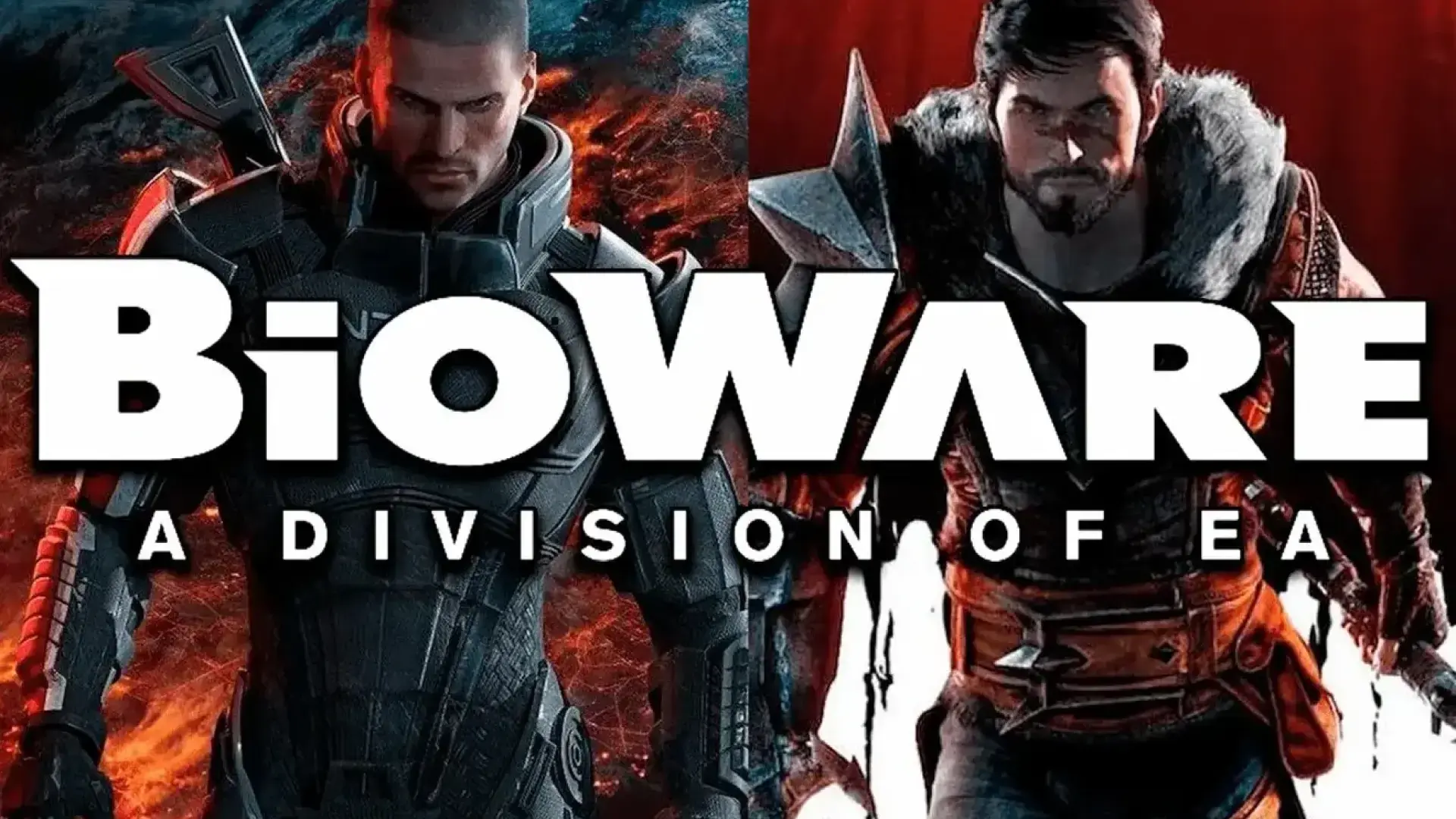
Electronic Arts has once again made a move that has shocked the industry: the closure of BioWare and a new round of layoffs affecting around 400 people. This figure represents approximately 3% of its workforce, and a significant portion of these cuts will come from the Mass Effect and Dragon Age studios, where around 50 positions will be eliminated. The decision is part of the reorganization the company has been implementing since being acquired by an investment consortium.
The blow isn't limited to employment: the next Mass Effect installment has been canceled while still in its early stages of development. BioWare posted a farewell message on social media thanking fans for their support over the decades, while EA maintains it will prioritize areas where it sees the most potential. For role-playing game fans, this is hard news to swallow, as we're talking about one of the most recognizable names in the genre.

Layoffs, closures, and affected projects
Information first reported by Bloomberg and picked up by several media outlets indicates that EA is laying off around 400 people, 3% of its staff , and that BioWare is ceasing operations. An internal letter from David Tinson and Cam Weber, heads of operations and studios, explains that the company has reviewed its business over the past few months and has opted to consolidate resources. Within BioWare, the number of departures is around fifty employees.
The adjustment also affects other projects. Project Lotus, the Sims game that was in development, has been canceled , while Project Evergreen remains a top priority. The skateboarding game continues, albeit with a smaller team. These decisions paint a different picture of priorities than the one the company had followed until now.
Mass Effect falls by the wayside
One of the most painful blows is the cancellation of the next Mass Effect, which had been in early development for some time and will now never see the light of day. Several outlets agree that the project was in its initial stages and that there was no release date in sight. With its cancellation, the franchise is left without a new confirmed installment, and BioWare loses one of its main creative engines.

BioWare was founded in 1995 and became part of Electronic Arts years later . Its discography includes groundbreaking titles such as Baldur's Gate, Neverwinter Nights, Star Wars: Knights of the Old Republic, Dragon Age , Mass Effect, and Anthem. This blend of narrative, choices, and characters made the studio a benchmark for several generations of role-playing gamers.
However, their latest projects failed to meet expectations. Mass Effect: Andromeda, Anthem, and Dragon Age: The Veilguard received mixed reviews, with the latter being the studio's most recent release. The comparison to their earlier work weighed heavily on a company that needed stronger results to justify its continued presence within the group.

The new direction of Electronic Arts
With BioWare out of the picture, EA wants to focus its shooting on sports games, Apex Legends, Battlefield, and action titles like the upcoming Star Wars Jedi and the Iron Man project. The company has also indicated that Respawn and DICE will collaborate on a new project, a partnership that points to a major franchise within the Star Wars universe. These are the areas EA sees as having the greatest potential for long-term growth.
All of this comes after EA was acquired by PIF, Silver Lake, and Affinity Partners in a deal valued at $55.000 billion. The company is no longer publicly traded and is now facing a cost-cutting phase, with a savings target of around $700 million. This context helps explain why such drastic measures have been taken in such a short time.
The deal leaves a bittersweet picture: less structure, fewer historical studies, and more focus on profitable franchises . BioWare closes after decades of influence, Mass Effect is left without its next installment , and EA reorganizes its catalog around sports, action, and commercially viable titles. For role-playing game fans, the news means saying goodbye to a developer whose games have become part of the genre's collective memory.

Table of Contents